


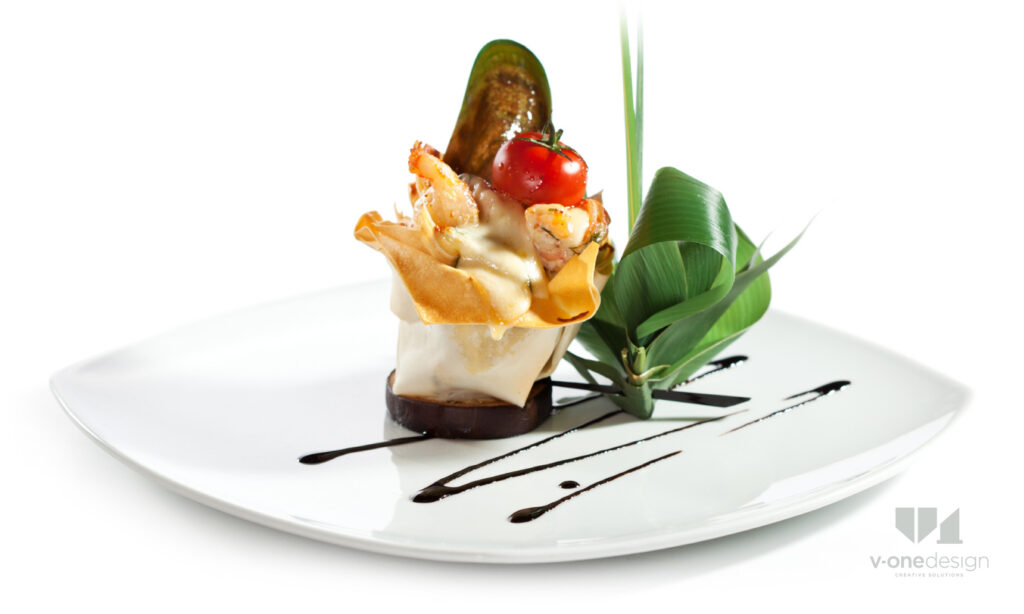
In the realm of gastronomy, the visual allure of food and beverages plays a pivotal role in shaping consumer choices and eliciting powerful emotional and psychological responses. Whether it’s through the pages of a recipe cookbook, an enticing food product advertisement or the vibrant images on a restaurant menu, the impact of food visuals goes beyond mere aesthetics; it intricately influences our desires, preferences and overall consuming experience.
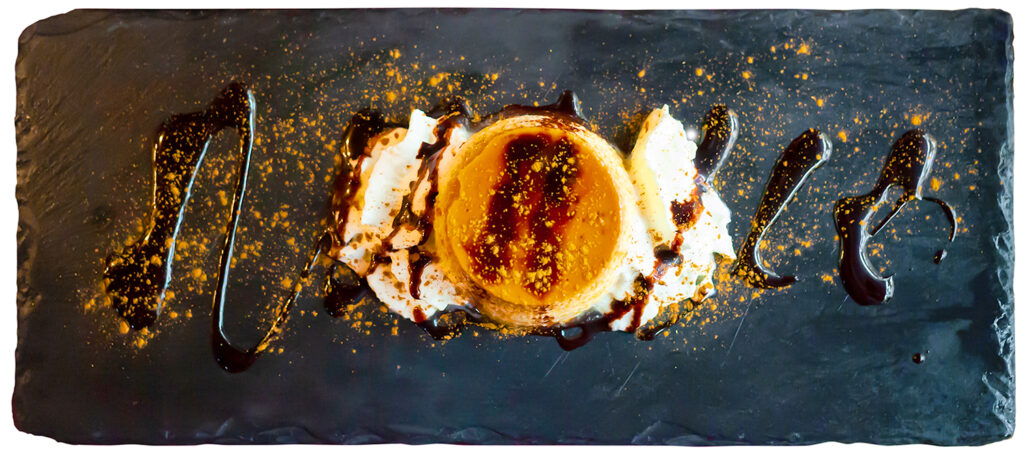
Appetite stimulation
Consider the experience of flipping through the pages of a recipe cookbook where vibrant, high-resolution images of sumptuous dishes leap off the pages. The visual presentation of food has the unique ability to stimulate appetite by triggering a physiological response. In fact, the sight of delicious food can activate the release of saliva and gastric juices, preparing the body for the act of eating. In a cookbook, for example, these images serve as culinary seduction, enticing readers to embark on a gastronomic journey and try their hand at recreating the visually appealing dishes themselves.
Evoking desire and cravings
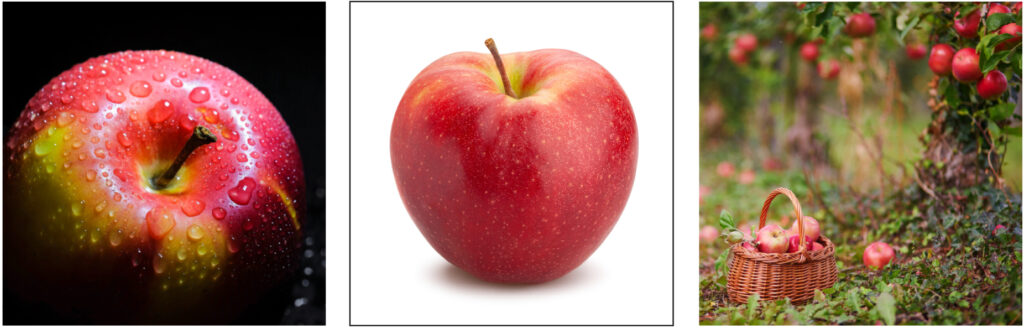
In the world of food and beverage advertising, images hold the power to transform products into irresistible objects of desire. The glistening dew on a perfectly ripe apple or the steam rising from a freshly brewed cup of coffee is meticulously curated to evoke cravings and trigger an emotional response. Expertly crafted visuals tap into our primal instincts, creating a sense of urgency and desire that transcends the mere need for sustenance.
Moreover, images can convey a narrative, telling a story that goes beyond the ingredients. A warm, inviting kitchen scene in an advertisement, for example, might evoke feelings of comfort, nostalgia and familial warmth, associating these emotions with the product being promoted. In this way, food and beverage visuals become powerful storytellers, forging connections between the consumer and the product on a deeply emotional level.
The psychology of food imagery
The psychological impact of food and beverage visuals is deeply rooted in the artistry of presentation. Humans are visual creatures and the brain processes images faster than text. The careful arrangement of ingredients, the play of colours and the interplay of light and shadow all contribute to the aesthetic appeal of food imagery. When presented with such visually stimulating cues, our brains interpret them as indicators of freshness, quality and flavour.
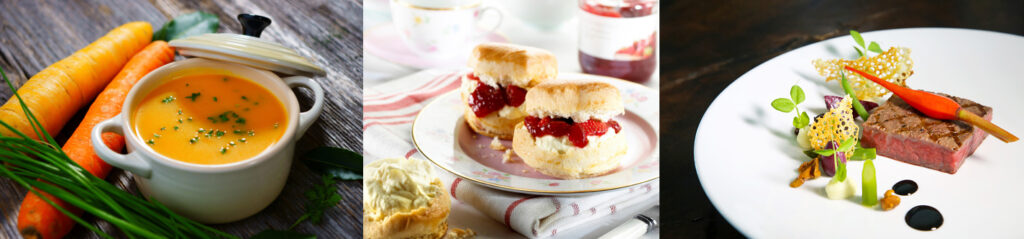
Additionally, the visual appeal of food can evoke cultural and personal associations. A beautifully plated dish reminiscent of a cherished family recipe may trigger feelings of comfort and nostalgia. On the other hand, exotic and vibrant visuals may awaken a sense of adventure and exploration. The psychology of food imagery is a dynamic interplay between the visual stimuli and the viewer’s unique experiences and cultural background.
Understanding the psychology behind these visuals allows culinary creators, marketers and restaurateurs to harness the power of imagery, effectively. It’s an exploration of flavours through the lens of the visual; a journey where each image becomes a brushstroke in the canvas of a delightful eating or drinking experience.
Going forward
There is already a plethora of tools that we can use to generate the most mouth-watering and alluring food and drink imagery – all generated with AI as these two recent examples demonstrate (we used them in a recent packaging design project for an orange and mango energy drink).

We are, of course, just at the start of this revolution and as we continue to navigate the ever-evolving landscape of gastronomy, the visual language of food and beverages will remain a compelling force, shaping our culinary adventures and leaving a lasting imprint on our memories and palates.